Weather:
- Ha Noi 30oC
- Da Nang 28oC
- Ho Chi Minh 30oC
CAO BẰNG — The northern province of Cao Bằng is known as the cradle of the art of then singing and tính lute performance, inscribed by UNESCO on the Representative List of the Intangible Cultural Heritage of Humanity.
From community classes and social media to tourism initiatives, the locality is striving to preserve and promote the folk art, ensuring that this cultural heritage remains vibrant amid the flow of modern life.
Echoes of culture
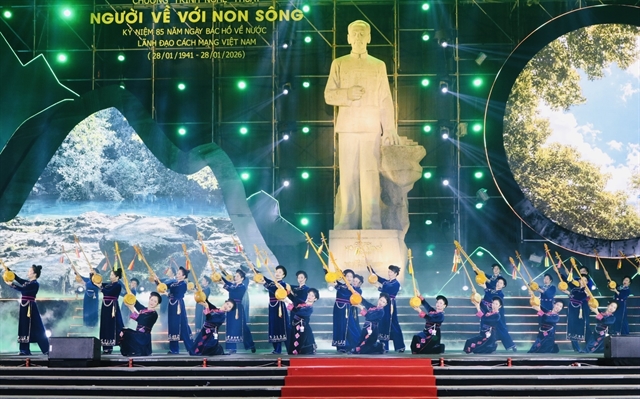
Originating from the daily life of ancient Tày communities, then singing carries sacred meaning in folk belief. The word then is derived from thiên, meaning 'heaven', and is considered a celestial melody passed down from above.
For generations, then songs have been performed during important rituals and ceremonies praying for peace, good harvests and spiritual well-being. Through these melodies, the Tày people send their wishes and prayers to the heavens.
Then singing is a unique blend of music, poetry, dance and performance. Accompanying the songs is the tính lute, a traditional instrument known for its soft, warm and resonant sound.
Crafted from a dried gourd with a wooden soundboard and neck, the instrument creates melodies that harmonise naturally with the vocals, expressing the emotions and inner feelings of both performers and listeners.
The lyrics of then songs are rich in poetic imagery and folk wisdom. Beyond their lyrical beauty, they convey moral teachings, encouragement and lessons about human relationships and everyday life. Listening to then singing and the sounds of the tính lute, people often find reflections of their own joys, sorrows and aspirations.
Preservation
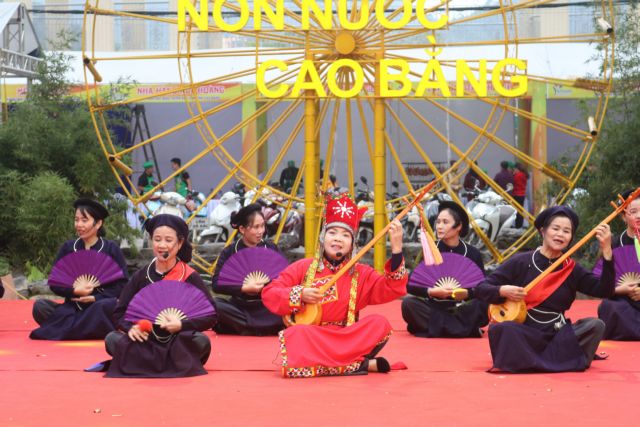
Today, preserving and promoting the art of then singing and tính lute performance is not only a means of safeguarding a unique cultural heritage, but also of sustaining the spiritual essence of the mountains and forests of northern Việt Nam.
One such effort is the integration of this folk art into the extracurricular activities of local schools.
Through the warm days of May, a class at Hòa Chung Secondary School in Tân Giang Ward resonates with warm, lingering melodies of the then singing and the sound of Tính lutes.
Student Giáp Bảo Ngọc said she found it very challenging when she first began learning then singing and the tính lute.
However, under the guidance of artisans, she has gained a deeper understanding of the meaning behind the lyrics and gradually developed a genuine interest in the art form.
Alongside more than 30 classmates, she now dedicates increasing time to practise, hoping to contribute to the preservation of this unique musical tradition of her hometown.
One young local actively promoting then singing on social media is 21-year-old Chu Thị Viễn in Đàm Thủy Commune. She has introduced this art form through thoughtfully produced, accessible and creative clips that resonate with a wide audience of young viewers via the Facebook page Noọng Viễn Cao Bằng.
“Then singing used to be mainly performed locally and was therefore little known among young people,” Viễn said. “However, since it has been brought onto social media, many of my friends have begun to take an interest, exploring the lyrics and the cultural meanings behind each then melody.”
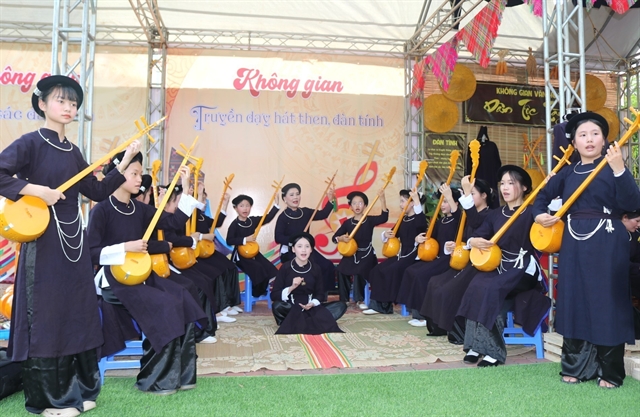
Practitioners of Then singing and Tính lute play vital roles in modern life, keeping the heritage alive and resonant across generations.
According to artisan Hoàng Hồng Phấn, who teaches then melodies to clubs across Cao Bằng Province, training students in this art form is challenging, as it requires them to both play the instrument and sing simultaneously.
As most learners lack formal training in music, instruction is largely passed down orally. Artisans patiently guide students step by step, from how to hold the tính lute and position their fingers to produce notes on the strings, to mastering vocal techniques such as intonation and ornamentation.
After each course, students are equipped with fundamental knowledge and skills, while also gaining hands-on experience performing familiar pieces.
Head of the then singing and tính lute club in Trường Hà Commune Nguyễn Thị Thiêm said flexible classes tailored to different age groups have been organised by the club, from elderly women to children and teenagers in the community.
Classes are held at village cultural houses and are often integrated into community gatherings, creating a warm, lively and accessible learning environment.
"I'm happy to see students so deeply absorbed in their practice," Thiêm said. "From those early rhythms, many learners have grown confident in plucking the tính lute and singing sweet then melodies that celebrate our homeland and country."
Since 2022, the provincial cultural sector has organised more than 40 then singing and tính lute classes across communes and wards, attracting over 1,500 participants.
Two models for preserving and promoting then heritage have been held in connection with activities at walking streets in Thục Phán Ward and in Hòa An Commune.
Deputy Director of the Department of Culture, Sports and Tourism of Cao Bằng Province Nông Thị Tuyến noted that the province will continue to mobilise and effectively use resources to preserve and promote the value of cultural heritage, including then singing and the tính lute.
At the same time, the locality will link the preservation of the folk art with sustainable tourism development in line with local conditions.
Then singing and the tính lute performance will continue to be integrated into school curricula, and training courses will be organised to enhance awareness and the long-term sustainability of heritage preservation and promotion, she added.
Through these measures, the province will not only safeguard a valuable national intangible cultural heritage, but also concretise the goals of Resolution 80, positioning cultural heritage as a driving force for sustainable development and the strengthening of national identity. — VNS
