Weather:
- Ha Noi 27oC
- Da Nang 28oC
- Ho Chi Minh 28oC
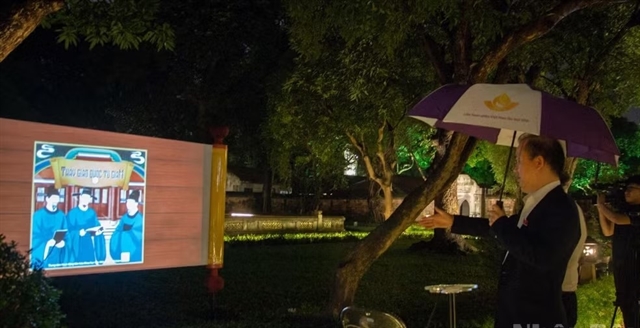
HÀ NỘI — Việt Nam is moving to build a comprehensive digital tourism ecosystem, shifting from isolated applications and administrative digitisation to a model that connects the entire sector and operates on data and technology.
Tourism is a multi-sector industry with strong inter-regional links and broad social participation. A single journey can involve dozens of services, from transport, accommodation and dining to entertainment, shopping, culture and sports, requiring coordination between authorities, businesses and communities.
According to the Việt Nam National Authority of Tourism (VNAT), digital technology is reshaping how tourism operates. It is changing how travellers search for information, choose destinations, book services, make payments, experience trips and share their journeys, gradually redefining the entire tourism value chain.
In this context, Resolution 57-NQ/TW on breakthroughs in science, technology, innovation and national digital transformation provides a new strategic direction. It creates momentum for the sector to move beyond fragmented technology use towards a modern, smart and data-based tourism ecosystem.
In recent years, digital transformation in tourism has recorded positive progress. Localities and businesses have expanded the use of websites, smart tourism applications, digital maps, e-tickets, cashless payments, automated guides and virtual reality. Some destinations have started using data to analyse markets, track visitor behaviour and improve promotion.
However, the VNAT noted that progress remains uneven. Data is still scattered across sectors, agencies, localities and enterprises. Connectivity and data sharing are limited, and a unified ecosystem has yet to take shape. Decision-making in both management and business operations is not fully based on real-time data.
Resolution 57 calls for a fundamental shift in approach. Digital transformation should be treated as a new development model, where data becomes a key resource, technology a productivity tool and innovation a driver of competitiveness. The sector needs to move from digitisation to data-driven governance.
Under this approach, key decisions — from destination planning and infrastructure investment to product development, visitor flow management, market promotion and demand forecasting — should be supported by data and advanced analytics.
Data is therefore identified as the 'soft infrastructure' of the tourism sector. A national tourism database system capable of connecting data from State agencies, businesses, destinations and service platforms will create new capacity for both governance and business activities.
The system would integrate information on destinations, accommodation, travel firms, transport, entertainment services, events, visitor flows and markets. Once standardised and connected, data can be used to analyse visitor behaviour, forecast trends, identify potential markets and evaluate the effectiveness of promotion programmes.
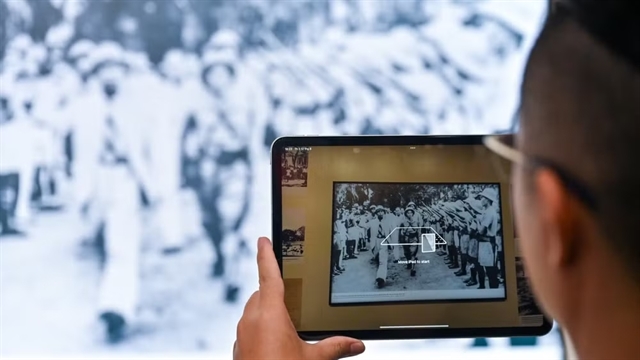
The application of AI and big data will further enhance these capabilities. These technologies can support demand forecasting, analyse seasonal visitor flows, assess traveller sentiment on digital platforms and detect service quality issues early, enabling faster and more accurate decisions.
Another key direction under Resolution 57 is placing people and businesses at the centre of digital transformation. For tourism, this means delivering direct value to both visitors and enterprises.
The goal is a seamless, convenient and smart trip. An effective digital ecosystem would allow tourists to search for information, choose destinations, plan itineraries, book services, make payments and share their journeys within a unified digital space. Services can be personalised based on preferences, budgets, time and behaviour.
For businesses, digital platforms and data enable more direct access to customers, reduce marketing costs and improve operational efficiency. For regulators, the system provides a rich data source to monitor markets, evaluate policies and manage destinations. It also strengthens connections between the State, businesses and tourists, with data as the backbone of the ecosystem.
Personnel remains a key bottleneck, as the authority stressed that digital transformation is not only the responsibility of IT units. Managers need the ability to use data in decision-making, marketing staff must understand AI and market analytics, businesses must operate effectively on digital platforms and workers need appropriate digital skills.
AI is expected to play a growing role, especially in promotion and branding. It can analyse large volumes of online data to identify trends, assess destination image and understand traveller behaviour by market. It also enables automated, multilingual content production and personalised communication tailored to different customer segments and stages of the journey.
The VNAT said digital transformation is no longer optional, but a requirement for the sector to break through in its next phase of development. In the digital era, data, technology and innovation will be key resources to improve governance, better understand markets, personalise experiences and create new value for tourists, businesses and destinations. — VNS
