Weather:
- Ha Noi 13oC
- Da Nang 21oC
- Ho Chi Minh 24oC
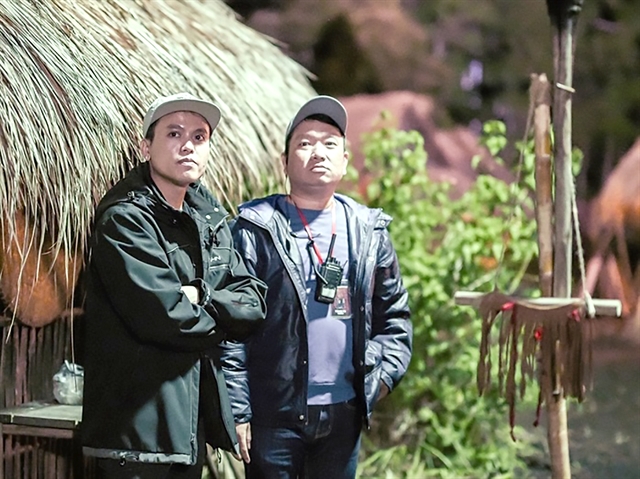
HCM CITY — Vietnamese cinema is witnessing a growing trend of creative partnerships, as well-matched duos, from married couples to long-time collaborators, join forces to produce some of the industry’s most talked-about films.
Beyond familiar pairings such as Lý Hải – Minh Hà, Trần Hữu Tấn – Hoàng Quân, Bảo Nhân – Nam Cito, Victor Vũ – Đinh Ngọc Diệp, Đức Thịnh – Thanh Thúy, Võ Thanh Hòa – Mai Bảo Ngọc, and Thu Trang – Tiến Luật, the Vietnamese big screen has recently welcomed new, well-synchronised collaborations including Trần Duy Linh – Phạm Trung Hiếu and Trường Giang – Nhã Phương.
United in purpose
Creative duos in Vietnamese cinema are not limited to married couples working together on film projects. They also include close friends who share a natural rapport, long-term collaboration and mutual understanding.
They may co-direct, or team up as producer–director, director–casting director, or producer–actor.
Regardless of their roles, they share common goals and commit fully to supporting one another not just on a single project, but across many long-term endeavours.
The growing presence of such duos adds an appealing dimension to Vietnamese cinema, an industry in development that needs more high-quality films to serve audiences.
One pairing drawing considerable attention is Trường Giang – Nhã Phương.
Both are prominent figures in Việt Nam’s entertainment industry and have appeared in many films, yet this marks their first attempt at new roles in the Lunar New Year 2026 film Nhà ba tôi một phòng (My father's one-room house).
In this project, Nhã Phương serves as casting director, selecting suitable actors, while Trường Giang takes on multiple roles as director, producer and actor.
“I feel very happy and decided to try my hand at this fresh and interesting role,” Nhã Phương shared. Her support is seen as an important source of emotional strength, helping Trường Giang remain steady on the journey of making his debut feature film Nhà ba tôi một phòng.
Meanwhile, model-turned-actress Thanh Hằng and her team have announced the start of filming for Madames Thanh Sắc, directed by Thắng Vũ and scheduled for release in June 2026.
In the film, Thanh Hằng stars as the female lead while also serving as producer. Notably, her husband, conductor Trần Nhật Minh, appears behind the scenes as a film investor, offering moral support.
Madames Thanh Sắc is inspired by an event that once shocked Sài Gòn in 1963. The film revolves around the tense relationship and dramatic confrontations between the characters Cầm Thanh and Madame Sắc.
Among the newer pairings, Trần Duy Linh – Phạm Trung Hiếu stand out as co-directors of Nhà hai chủ (The House with Two Owners).
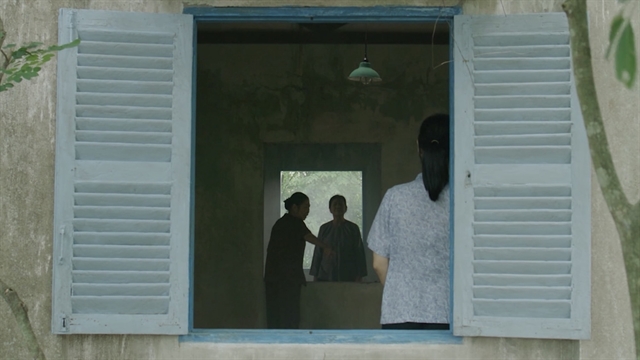
Released on December 26, 2025, the film follows Mai, played by Trâm Anh, and her family as they move into a house advertised by an estate agent as “cheap as a giveaway”, ignoring repeated warnings.
The result is a series of eerie and supernatural phenomena that plague the family in their new home.
Prior to the emergence of these new duos, Vietnamese cinema had already witnessed the enduring partnership of husband and wife Lý Hải – Minh Hà through the hugely successful Lật mặt (Face Off) franchise, now spanning eight installments and achieving major box-office and brand success.
Likewise, close friends Trần Hữu Tấn – Hoàng Quân have collaborated on a string of horror films, including Bắc kim thang (Home Sweet Home), Rừng thế mạng (The Fatal Forest), Chuyện ma gần nhà (Vietnamese Horror Stories), Kẻ ăn hồn (The Soul Reaper), Cám (The Untold Story), Dưới đáy hồ (The Lake of Death) and Hoàng tử quỷ (The Demon Prince).
Similarly, Bảo Nhân – Nam Cito have remained inseparable through projects such as Gái già lắm chiêu (The Last Egg), Cô gái từ quá khứ (Girl from the Past) and Chốt đơn (Deal!).
Married couple Võ Thanh Hòa – Mai Bảo Ngọc has worked closely together on films including Siêu lừa gặp siêu lầy (Super Scam Meets Super Prank), Quỷ cẩu (Crimson Snout), Linh miêu: Quỷ nhập tràng (Spirit Whisker: The Revenant), Kính vạn hoa (Kaleidoscope) and Truy tìm long diên hương (The Quest for Dragon Ambergris).
Overcoming challenges
Thanks to his wife and producer Minh Hà, Lý Hải is able to focus entirely on scriptwriting and directing. Matters relating to investment, budgeting for scenes, managing actors’ schedules and resolving production-related issues are all handled by Minh Hà.
Lý Hải has often praised his wife: “She understands cinema and everything required in the filmmaking process. I just need to concentrate on writing and directing.”
Minh Hà does not hesitate to invest in meeting her director-husband’s demands, from large-scale action sequences to costly fire and explosion scenes.
In reality, if a director has ambitions but a producer lacks trust or is unwilling to invest, it is difficult for a film to achieve moments of creative brilliance.
Alongside married couples who share an artistic background and a deep understanding of filmmaking, allowing them to make the most of each other’s strengths, the smooth coordination and mutual support of non-family duos also play an important role in improving film quality.
After working together extensively, director Trần Hữu Tấn and producer Hoàng Quân have developed strong harmony, understanding each other’s responsibilities and reaching consensus throughout the creative process.
This is one of the advantages of films shaped by well-matched creative duos.
According to director Trần Duy Linh, his strength lies in screenwriting, ensuring the story is told in the most effective way and helping actors convey emotion in each scene.
“Phạm Trung Hiếu is strong in technical aspects, including camera work, visuals and colour,” he said. “We complement each other, maximising our strengths without stepping on each other’s toes.”
The duo has known each other for over a decade, are close like brothers, and aim to collaborate on many long-term film projects rather than just a few.
Alongside these advantages, many duos also face considerable challenges and pressure during filmmaking, particularly between producers and directors.
At times, producers must weigh financial constraints and cannot meet every costly creative request. Such careful financial calculations can rein in a director’s imagination, limiting budget expansion even if it affects a film’s quality.
Directors who feel constrained and unable to fully express their creativity may experience tension and frustration.
However, well-matched duos tend to overcome these difficulties more easily thanks to long-standing trust and collaboration.
Any disagreements that arise rarely escalate into major conflicts, and the atmosphere on set generally remains calm and harmonious. — VNS
