Weather:
- Ha Noi 33oC
- Da Nang 27oC
- Ho Chi Minh 31oC
By Thanh Nga
From a fishing village by the sea to a Mông ethnic community in the mountains, a nipa palm forest near Hội An, treehouses hidden in the highlands and a limestone valley in northern Việt Nam, five rural destinations are showing how everyday life can become part of the tourism experience.
Lò Village in Đắk Lắk, Cát Cát community-based tourism village in Lào Cai, Bảy Mẫu Cẩm Thanh Nipa Palm Forest in Đà Nẵng, Măng Đen Treehouse Village in Quảng Ngãi and Hữu Liên community-based tourism village in Lạng Sơn have been selected as Việt Nam’s candidates for the Best Tourism Villages award from UN Tourism.
The five destinations are different in their landscape, culture and tourism products. Much of their appeal comes from what the communities already have, from fishing and traditional crafts to forests, waterways, local food and village architecture.
The Best Tourism Villages award looks beyond scenery. Its criteria include cultural and natural resources, conservation, economic, social and environmental development, governance, infrastructure and connectivity, as well as visitor health, safety and security.

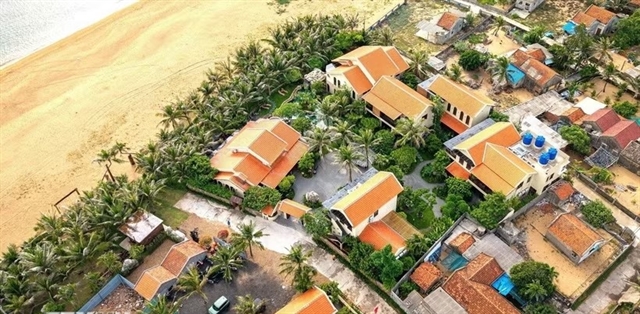
Lò Village is an old fishing village in the former coastal province of Phú Yên, in the eastern part of Đắk Lắk Province. Traditional houses with tiled roofs sit among coconut trees, while narrow village lanes lead towards the sea. Fishing has long been part of local life, and activities linked to the sea have become part of the tourism experience.
Visitors can explore the village, learn about local fishing practices, try seafood and take part in community activities and festivals.
Local architecture and traditional practices are also being preserved as part of tourism development. Dozens of accommodation and service establishments now operate in the area.
Lê Phúc Long, deputy director of the provincial Department of Culture, Sports and Tourism, said the province hoped the nomination would help Lò Village develop community-based tourism in the coastal area and build a brand known to international visitors.
“We hope the nomination will help Lò Village develop community-based tourism in Đắk Lắk’s coastal area and become a destination known to international visitors,” he said.
Long also said that with proper planning, Đắk Lắk could have more villages gaining international recognition in the future.
Culture and scenery
About 3km from the centre of Sa Pa, Lào Cai Province, Cát Cát Village offers a different experience, built around Mông culture and the mountain landscape.
The village’s cultural space dates back to the mid-19th century. Wooden houses, terraced fields, streams, water wheels and Tiên Sa Waterfall are among the features visitors can see.
Traditional Mông handicrafts are another important part of the experience. Local people have maintained practices including flax growing, cloth weaving, basketry and silverwork. Customs, festivals, food and products made using local knowledge are also introduced to visitors.
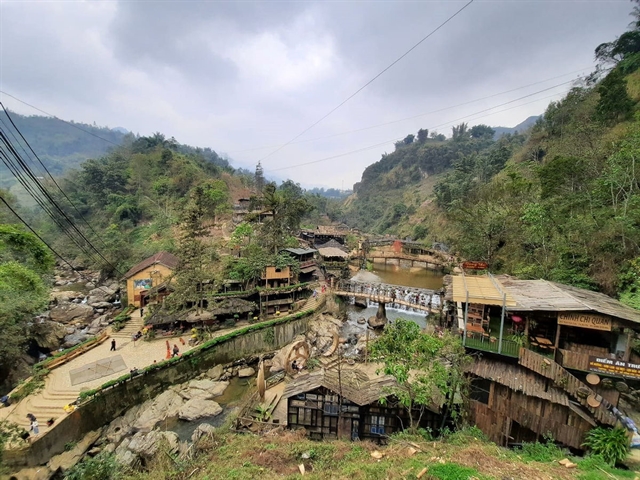
The combination of mountain scenery and cultural practices has made Cát Cát one of the best-known community tourism destinations in the Sa Pa area.
Phùng Quang Thắng, chairman of the Việt Nam Green Tourism Association, said successful community-based tourism villages often shared two features: distinctive local culture and a green, relatively untouched natural environment.
“Successful community-based tourism villages often share a combination of distinctive local culture and a green, relatively untouched natural environment,” he said.
According to Thắng, tourism is increasingly moving towards experiences linked to local communities, culture and livelihoods.
“This is an advantage that Vietnamese villages can build on. Instead of competing with similar tourism developments, each community can compete with a story rooted in its own identity that cannot be easily copied elsewhere,” he said.
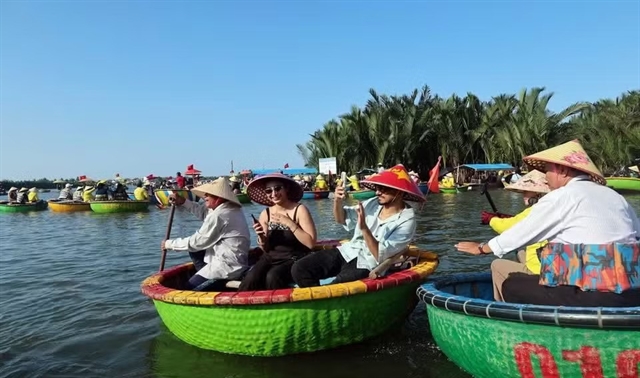
A half-hour drive from Hội An, Bảy Mẫu Cẩm Thanh Nipa Palm Forest offers a very different landscape. The brackish-water wetlands lie where the Hoài, Đế Võng and Thu Bồn rivers meet. Nipa palms cover the waterways, creating scenery closely associated with basket boats and the daily activities of local residents.
Visitors can travel through the forest by basket boat while learning about fishing and other activities that have long supported local communities. The area also has historical significance. During wartime, the forest served as a resistance base.
Traditional crafts using bamboo and nipa palm leaves are also incorporated into the local tourism experience.
In the Central Highlands, Măng Đen Treehouse Village offers another approach to rural tourism. Instead of large accommodation complexes, treehouses are built around old trees or on elevated wooden structures in the forest. The accommodation is designed to blend into its natural surroundings.
Măng Đen Treehouse was recognised as a tourism destination in August 2025. Activities include trekking, cycling, camping, meditation and reading. The surrounding forest becomes part of the stay, giving visitors a different way to experience Măng Đen.
A limestone landscape
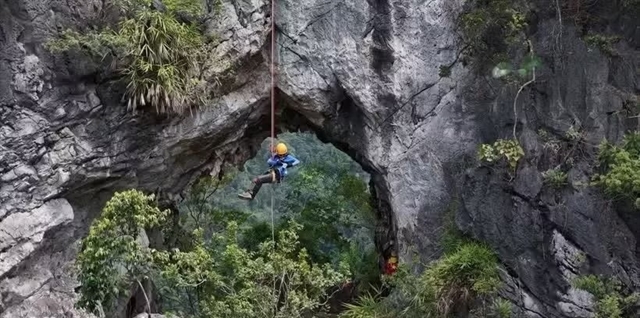
Hữu Liên community-based tourism village in Lạng Sơn combines limestone mountains, forests and village life.
The area is known for its wide valleys and seasonal wetlands, with Đồng Lâm grassland among its best-known landscapes. In the dry season, the broad grassland stretches between limestone mountains, creating a scene often compared to a miniature Mongolia.
The area also has special-use forests, caves, lakes and waterfalls. Community tourism has developed around these natural resources: visitors can stay in local homestays, try local food, hire community guides and take part in cultural activities.
Traditional stilt houses remain an important part of the local landscape, allowing visitors to experience village life while exploring the surrounding natural areas.
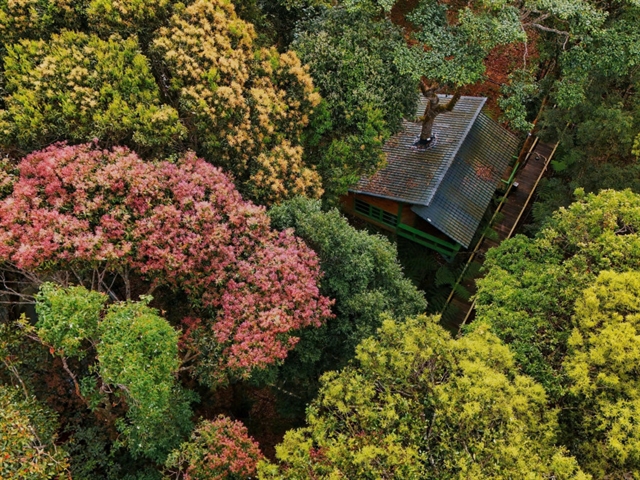
The five destinations reflect different ways of turning local resources into tourism products. Lò Village draws on its fishing heritage, while Cát Cát builds on Mông culture and traditional crafts. Cẩm Thanh makes use of its nipa palm forest and waterways, Măng Đen offers a different way of staying in the forest and Hữu Liên combines its limestone landscape with community-based tourism.
Their selection as Việt Nam’s candidates for the Best Tourism Villages award could bring wider attention to rural destinations that may be less familiar to international visitors.
For local communities, the longer-term value of tourism goes beyond recognition. Rural tourism can provide additional income for people running homestays, making handicrafts, preparing food, operating boats or working as local guides.
It can also create a market for traditional occupations and encourage younger generations to remain connected with local culture.
At the same time, tourism growth brings challenges. The landscapes and traditions that attract visitors can be damaged if visitor numbers increase without proper management. Traditional houses may disappear, crafts can become mass-produced souvenirs and cultural activities can lose their original meaning when they are performed mainly for tourists.
The five Vietnamese candidates are waiting for the official results of the Best Tourism Villages 2026 award, expected towards the end of this year.
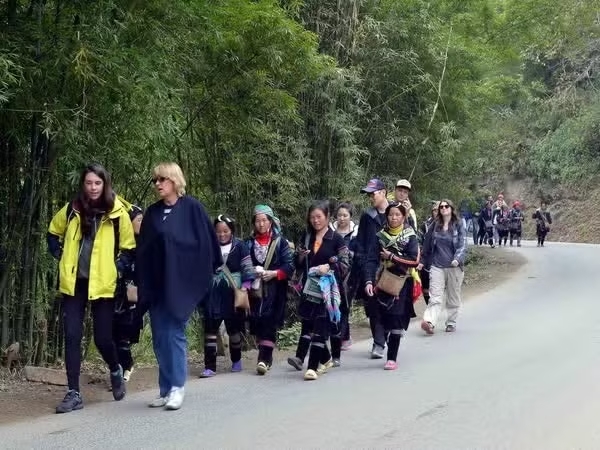
Whatever the outcome, international recognition is only one part of the story. The longer-term test is whether tourism can bring more income to local communities while preserving the character of each destination.
For the five villages, the challenge is to keep developing tourism without losing the local culture, landscapes and way of life that brought visitors there in the first place. — VNS
