Weather:
- Ha Noi 27oC
- Da Nang 26oC
- Ho Chi Minh 27oC
Dr Diego Mendizabal *
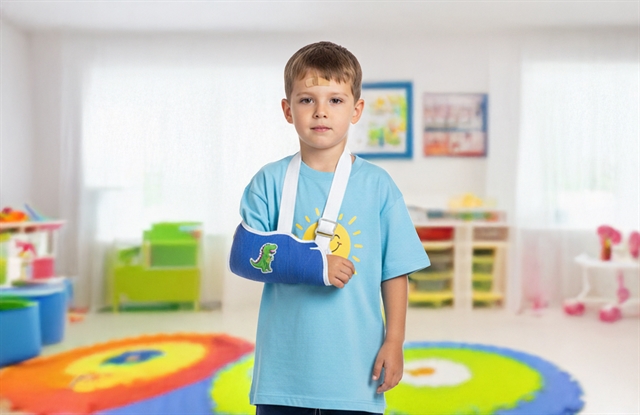
How to spot and respond to childhood fractures
Children are naturally active, curious and energetic, which means falls, sports injuries and playground accidents are an inevitable part of growing up. While many childhood injuries are minor and heal quickly, a broken bone (also known as a fracture) requires proper assessment and care to ensure normal healing and long-term function.
For parents, it can be difficult to know how serious an injury is at the moment. Understanding what to look for and how to respond can help reduce pain, prevent complications and ensure your child receives the right care at the right time.
How to recognise a possible broken bone
A fracture is not always obvious. While some breaks cause visible deformity, others can be more subtle, especially in children. Pain that persists, swelling around a joint or limb, bruising or reluctance to use an arm or leg are common warning signs. Some children may limp, avoid putting weight on a limb or become unusually irritable.
In younger children, the signs may be less clear. Persistent crying, difficulty settling, guarding one area of the body or a pseudo-paralysis of the affected area can sometimes be the only clue that something is wrong. If your child continues to complain of pain after a fall or injury, it is important not to ignore it.
What to do immediately after an injury
The first priority is to keep your child calm and still. Movement can worsen pain and, in some cases, aggravate the injury. Reassure your child and help them remain as comfortable as possible.
If you can, gently support or immobilise the injured area in the position that feels least painful. This does not need to be a formal splint, a towel, sling or pillow can help limit movement until medical care is available. Applying a cold pack wrapped in a cloth for short periods can reduce swelling and ease discomfort.
Simple pain relief such as paracetamol or ibuprofen may be given if needed, using age-appropriate doses. It is best to avoid giving food or drink until your child has been assessed in case further treatment or imaging is required.
What parents should avoid doing
It is important not to try to straighten, manipulate or set the injured limb yourself. Massaging the area or encouraging your child to walk it off can worsen the injury. If pain, swelling or difficulty moving persists, delaying medical assessment can lead to longer recovery times or complications.
When medical assessment is urgent
Certain situations require prompt medical attention. If the injury follows a significant fall, sports impact or accident, or if the limb appears deformed or unstable, your child should be seen by a doctor as soon as possible. Severe pain, increasing swelling, inability to move the limb or visible wounds near the injury are also reasons to seek urgent care.
Even when symptoms seem mild, children’s bones are still growing and some fractures can affect growth plates. Early assessment helps ensure the injury is managed correctly from the start.
How broken bones are diagnosed and treated
Diagnosis usually involves a physical examination and imaging, most commonly an X-ray. In some cases, fractures may not be immediately visible on imaging, making clinical assessment just as important. At that point your doctor may suggest further imaging such as CT scans or MRI to make a proper diagnosis which will lead to appropriate treatment.
Treatment depends on the type and location of the fracture. Many childhood fractures heal well with a splint or cast, while more complex injuries may require specialist orthopaedic management. Surgery is uncommon in children but may be necessary in specific situations to ensure proper alignment and healing.
With appropriate care and follow-up, children’s bones generally heal faster and more completely than adults.
A reassuring message for parents
Most suspected fractures turn out to be manageable and many children recover fully without long-term problems. Acting early, keeping your child comfortable and seeking medical advice when you are unsure are the best steps you can take.
If you have concerns about an injury, it is always better to have it assessed than to wait and see. — Family Medical Practice
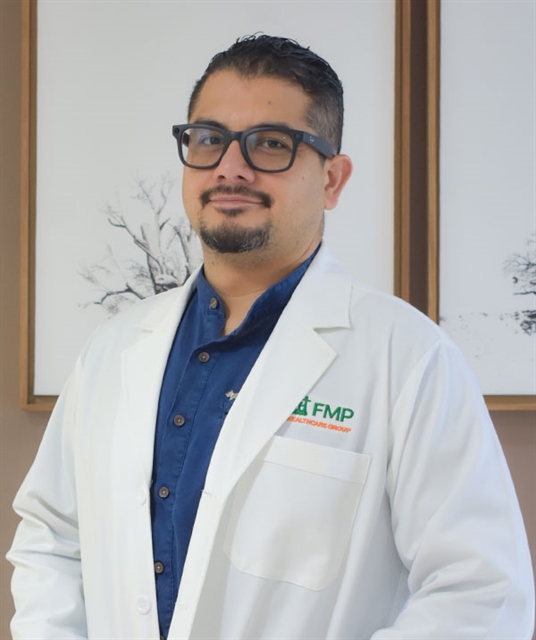
* Dr Diego Mendizábal is an experienced orthopedic surgeon specialising in the diagnosis and treatment of musculoskeletal conditions. He has extensive expertise in managing sports injuries, joint disorders and degenerative conditions, with a particular focus on arthroscopic procedures and joint reconstruction. Mendizábal is committed to helping patients restore mobility and improve quality of life through evidence-based care and personalized treatment plans.
FMP Healthcare Group operates medical centers in major cities including Hồ Chí Minh City, Hà Nội and Đà Nẵng, offering consultations with international doctors, check-up centers and emergency ambulance services.
Visit FMP Thảo Điền in Hồ Chí Minh City to consult with Dr Diego Mendizábal.
To book an appointment, please call (028) 3744 2000 (FMP - Thảo Điền), or email ortho.assist@vietnammedicalpractice.com.
