Weather:
- Ha Noi 27oC
- Da Nang 28oC
- Ho Chi Minh 31oC
Dr Mattias Larsson*
Linh, a vibrant seven-year-old girl, returned to school after the long holiday. Within a few days, she developed a runny nose, cough and fever, an experience familiar to many families when children return to school.
Why do children get sick after returning to school?
Schools bring many children together in classrooms and other shared spaces. They play closely, share toys and equipment and may not always remember to wash their hands or cover a cough. Respiratory viruses spread through droplets and tiny particles released when someone coughs, sneezes, talks or breathes, as well as through contaminated hands and surfaces. After several weeks away, children are suddenly exposed to many people and many different viruses again.

After only one day of symptoms, Linh’s mother visited a local pharmacy and described her illness. Without examining Linh, the pharmacy dispensed antibiotics, steroids, cough syrup and antihistamines. Linh subsequently developed diarrhoea, so her mother returned to the pharmacy and received oral rehydration solution, but also additional antibiotics and steroids. Linh’s symptoms continued, and she had to remain at home from school for two weeks.
Why antibiotics and steroids are not always needed
Antibiotics disturb the normal intestinal flora by killing beneficial bacteria, known in Vietnamese as lợi khuẩn, that are important for digestion and help protect the body. This can cause diarrhoea and other gastrointestinal problems. Unnecessary antibiotics also select for resistant bacteria, which may later cause severe infections that are much more difficult to treat.
Steroids reduce inflammation but also suppress parts of the immune response. They may temporarily reduce fever and other signs of illness, masking symptoms without treating the underlying infection. Unless there is a specific medical indication, neither antibiotics nor steroids should be used for an uncomplicated viral respiratory infection.
Concerned that Linh was not recovering, her mother consulted her sister, Linh’s aunt. The aunt explained that her own child, Linh’s cousin, had recently experienced almost identical symptoms. At Family Medical Practice (FMP), the child had been examined and appropriate rapid tests performed. The assessment indicated a common viral infection, so no antibiotics or steroids were prescribed. The family received advice about rest, fluids, fever relief when needed and warning signs to watch for. The cousin improved within three days.
Children getting sick at school can be normal
Young children may experience several respiratory infections each year, particularly during their first years in school. This is usually a normal part of developing immunity and does not necessarily mean that the child has a weak immune system. Returning to early mornings and busy school routines may also affect sleep, energy and recovery.
Most coughs, runny noses, sore throats and short episodes of fever in schoolchildren are caused by viruses. Antibiotics work against bacteria, not viruses, and should only be used when there is a clear medical indication following an appropriate assessment.
How parents can help prevent illness
Parents cannot prevent every infection, but regular handwashing, covering coughs and sneezes, keeping vaccinations up to date, adequate sleep, nutritious food and sufficient fluids can reduce the risk and support recovery.
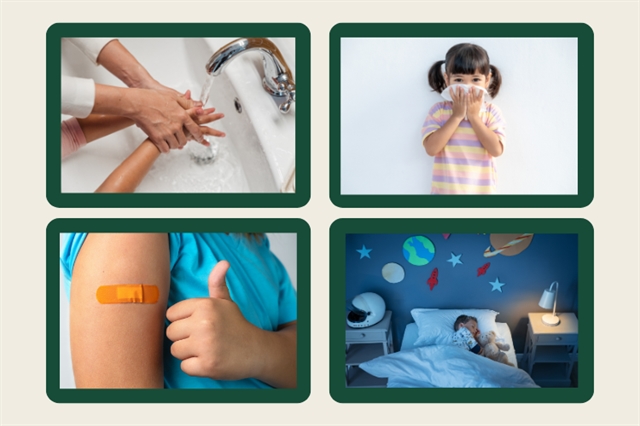
Parents should seek medical attention if a child develops any danger signs, including difficulty breathing, unusual drowsiness or difficulty waking, inability to drink, signs of dehydration, severe or worsening symptoms, or a fever above 38.5°C lasting more than two days.
Linh’s experience reminds us that more medicine does not necessarily mean better care. When children get sick after returning to school, they need careful assessment, appropriate symptom relief and antibiotics or steroids only when they are truly needed. — Family Medical Practice
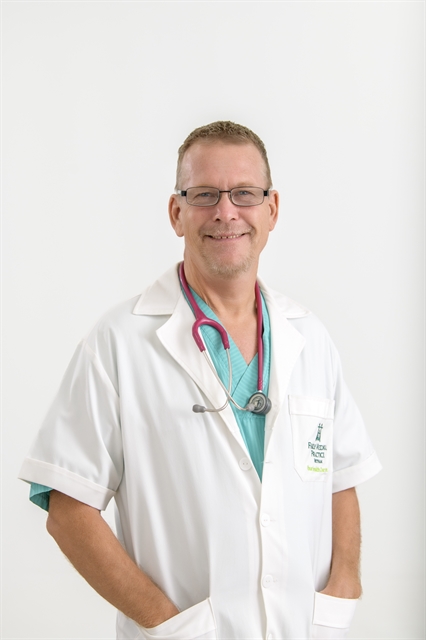
*Dr Mattias Larsson is Medical Director and Paediatrician at FMP Hà Nội and an Associate Professor at Karolinska Institute, and has a long experience in research on infectious diseases. He has worked with the Oxford University Clinical Research Unit and the Ministry of Health of Việt Nam. He is fluent in English, Swedish, Vietnamese, German and some Spanish.
FMP Healthcare Group operates medical centres in major cities including HCM City, Hà Nội and Đà Nẵng, offering consultations with international doctors, check-up centres and emergency ambulance services.
Visit FMP Hà Nội 24/7 at 298I Kim Mã Street, Ngọc Hà Ward, Hà Nội.
To book an appointment, please call us at (024).3843.0784, or contact us via WhatsApp, Viber or Zalo on +84.944.43.1919 or email hanoi@vietnammedicalpractice.com.
