The opening round promises plenty of excitements as defending champions Hà Nội Police begin their title defence against Hồng Lĩnh Hà Tĩnh at Hàng Đẫy Stadium.
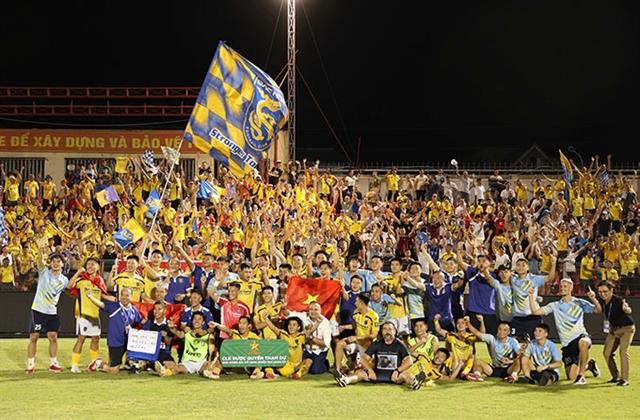
Bắc Ninh FC make historic milestone taking a slot to compete in the national premier league – V.League 1 – for the first time after their playoff match win on June 12 in Hà Tĩnh Province.
The Việt Nam Tennis Federation (VTF) on May 7 introduces ToTEN, a new sport, to the public in HCM City to promote sport exercise and healthy lifestyle.
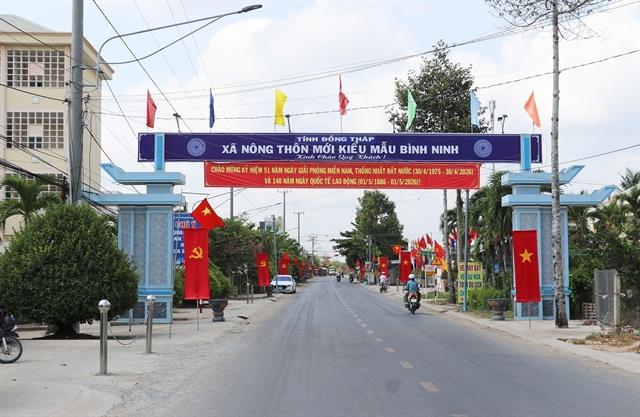
Bình Ninh Commune in Đồng Tháp Province has transformed from a war-ravaged revolutionary base into an exemplary new-style rural area, achieving strong economic growth and sharply reducing poverty over more than five decades.
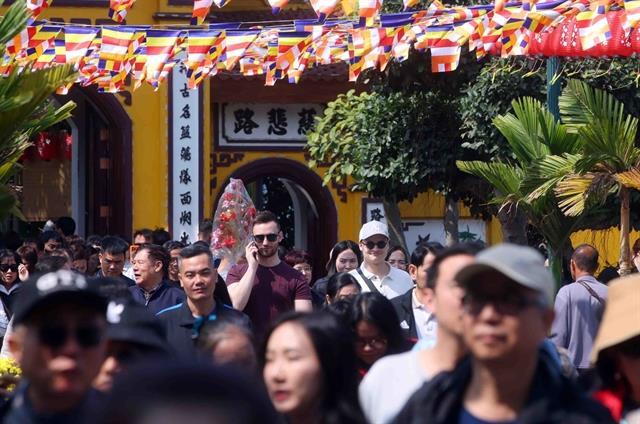
Hà Nội''s local residents and tourists will enjoy not only the city''s beauty in spring but also free tickets to its must-visit most famous landmarks and sites during Tết.
The programme, organised by the city’s Department of Culture and Sports, runs from February 20 to 22, corresponding to the fourth to sixth days of the first lunar month in the Year of the Horse.
With the upcoming Lunar New Year (Tết) Holiday lasting for nine days, it presents the perfect opportunity for both foreign and domestic tourists to explore local heritage with a deeper purpose.
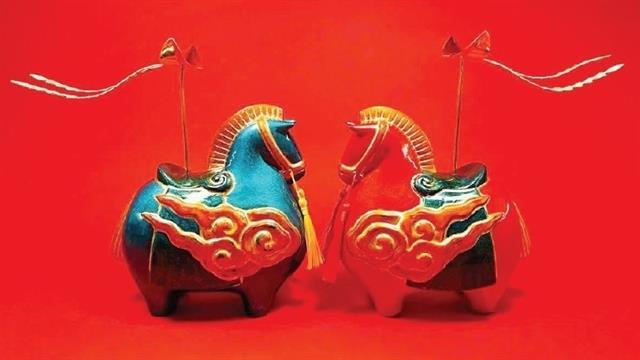
In the ever-evolving landscape of Vietnamese art, the "Ngua hoa mai" (Apricot blossom horse) project stands as a testament to how folk motifs can find new life.
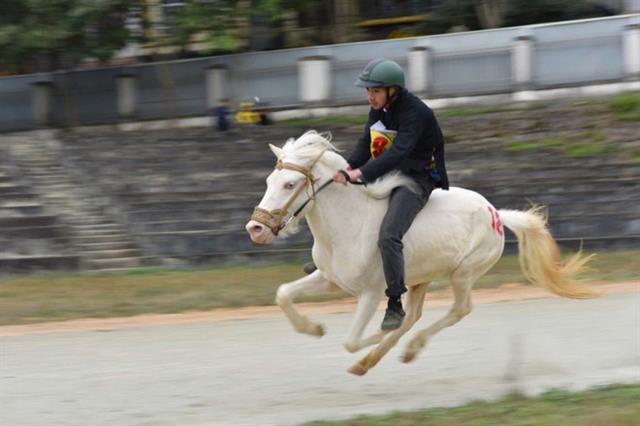
Horses have long been embedded in Vietnamese culture, carrying layered symbolism in language and belief while remaining part of daily life in many ethnic minority communities.
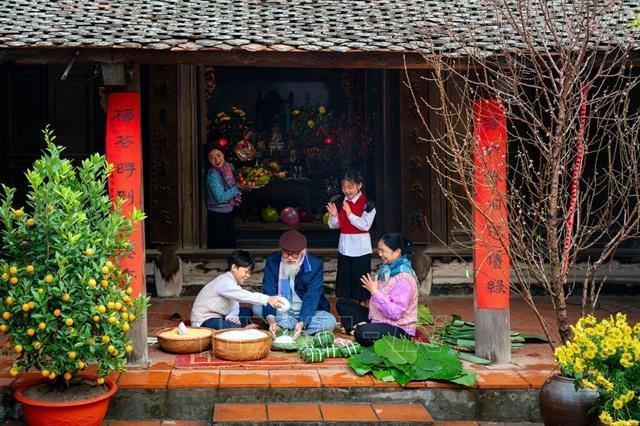
Images that reflect traditional cultural values of the Lunar New Year that make people happy would be honoured and receive awards of the Tết Hạnh Phúc (Happy Tết) photo and video contest 2026.
Inbound tourism to Việt Nam continues to show strong momentum, with international arrivals growing by 60 per cent during the Lunar New Year, according to international one-stop travel service provider Trip.com.
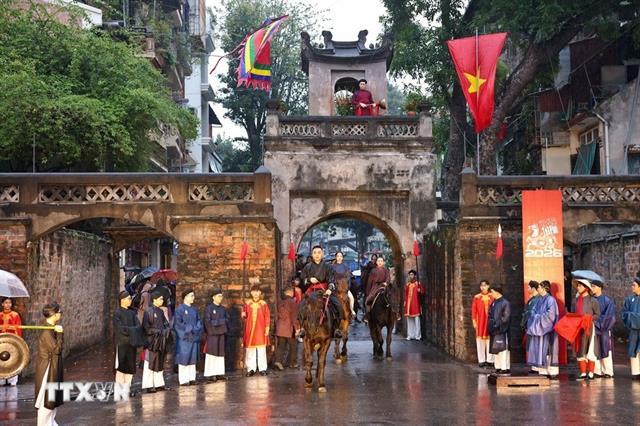
A Gate Opening Ceremony was red at one of Hà Nội''s most famous entrances, the Ô Quan Chưởng Gate, on February 8, marking the beginning of the spring season in the country.