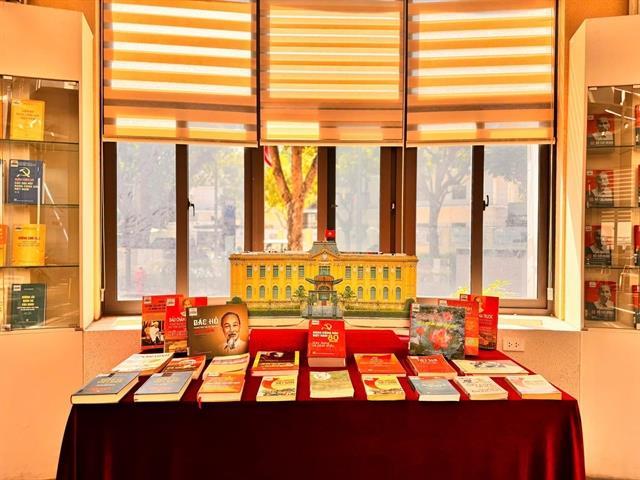
The exhibition entitled Hà Nội - Ngày Về Chiến Thắng (Hà Nội - The Day of Victory), held at the Hà Nội Cultural Centre and Library, is one of activities to celebrate Hà Nội''s 72nd Anniversary of Liberation on October 10, 1954-2026.
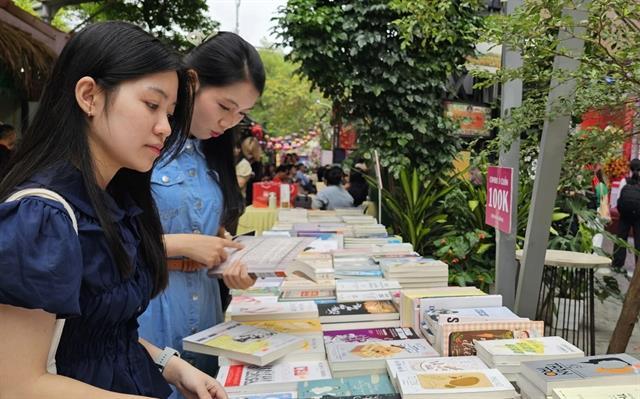
The Hà Nội Book Fair 2026 will open on the evening of October 2, offering readers a world of knowledge while bringing them closer to technology applications at the event''s 11th edition.
Việt Nam views culture as both the spiritual foundation of society and an important goal, driving force and resource for national development. The country is working to build an advanced culture imbued with national identity while actively absorbing the cultural...
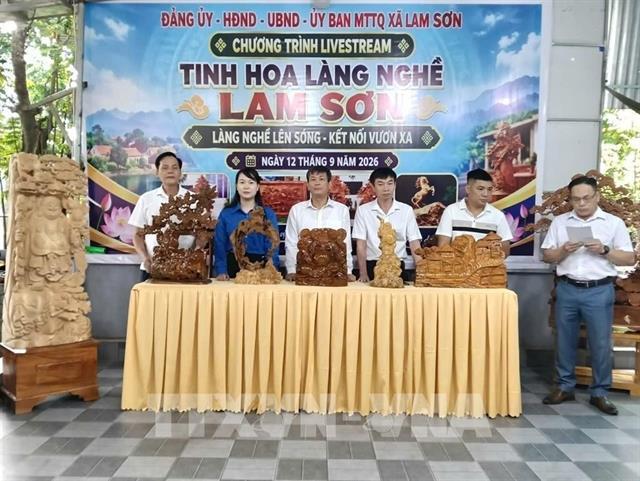
In Lam Sơn Commune, home to the Lam Kinh historical site, local officials have joined producers in livestreams to introduce products and connect them with consumers.
Launched by the commune’s Youth Union in early 2026, the model has been installed at all 12 village cultural houses and rolled out to all local youth branches.
From traditional knowledge and craftsmanship, contemporary design draws inspiration from Vietnamese cultural identity and passes it on through the language of a new era. Linking knowledge, design, production, and markets can help turn cultural resources into sustainable economic value and...
The approach also gives consumers more information about product origins, helping them identify Phúc Trạch pomelos with the proper geographical indication and traceability.
The space, launched on Monday to mark the 68th anniversary of Hồ Chí Minh’s visit to Lào Cai, combines traditional displays with QR codes, digital photo exhibitions, audiobooks and other multimedia content.
Hòa Bình Commune also plans to encourage traders to use digital platforms to promote and sell products, while paying greater attention to product traceability, food safety and environmental hygiene, with the aim of building “Green, Digital and Civilised Markets.”
Digital transformation is gradually changing how residents in Mê Linh Commune, Hà Nội, promote and sell local products, giving traditional craft products new ways to reach consumers and helping local businesses expand their markets.
The province’s digital tourism drive goes beyond promotion on social media. Lào Cai is gradually building a smart tourism ecosystem to improve visitor experiences, support tourism businesses and help mountain communities overcome geographical barriers.