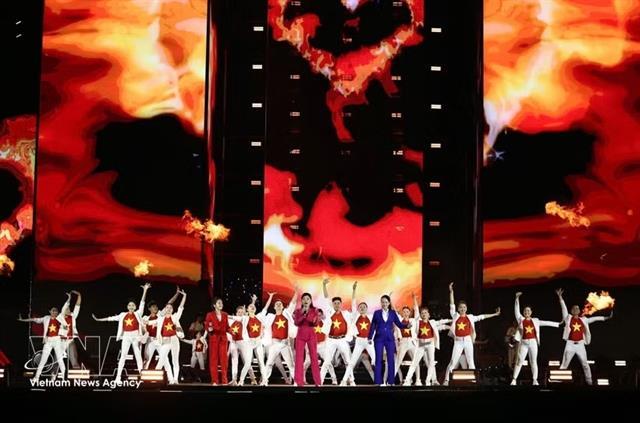
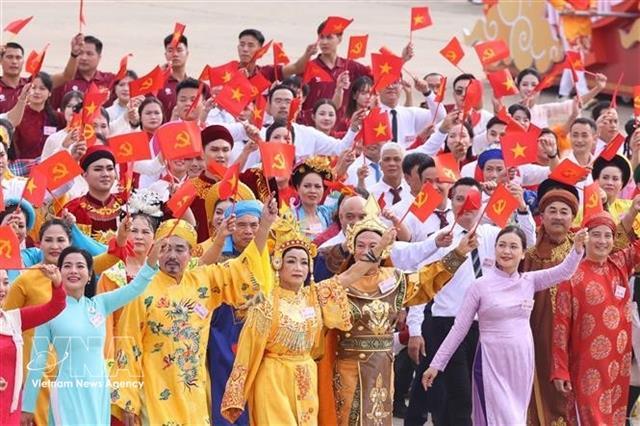
The programmes will feature songs and performances praising the Communist Party of Vietnam and President Hồ Chí Minh, highlighting the nation’s revolutionary struggle and the historical significance of the August Revolution and National Day.
Vietnamese travelers have shown a preference for short-haul, experience-driven travel to familiar destinations that offer convenience and comfort during the upcoming holiday period at the end of April and beginning of May, according to travel agents.
The proposal appears in appraisal documents for a draft National Assembly resolution on breakthrough mechanisms and policies for cultural development, published by the Ministry of Justice. The draft, prepared by the Ministry of Culture, Sports and Tourism, is expected to...
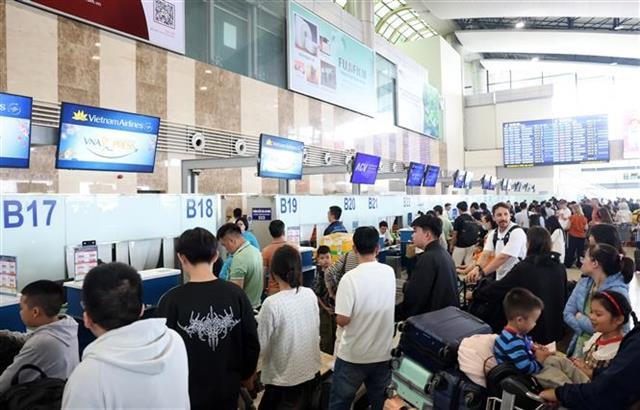
Rising fuel costs and reduced flight frequencies are tightening supply, while passengers are being urged pto book early for the peak holiday travel period.
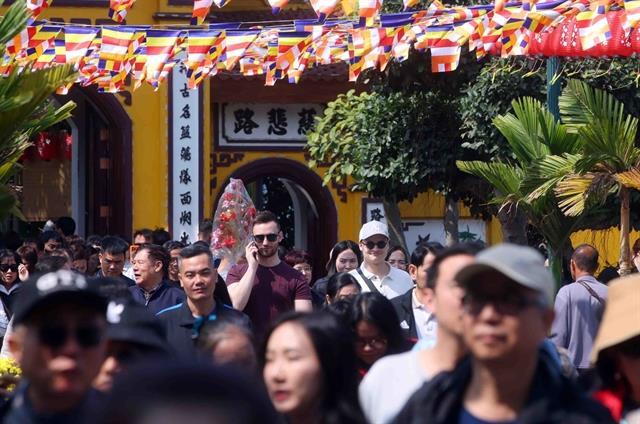
Hà Nội''s local residents and tourists will enjoy not only the city''s beauty in spring but also free tickets to its must-visit most famous landmarks and sites during Tết.
The programme, organised by the city’s Department of Culture and Sports, runs from February 20 to 22, corresponding to the fourth to sixth days of the first lunar month in the Year of the Horse.
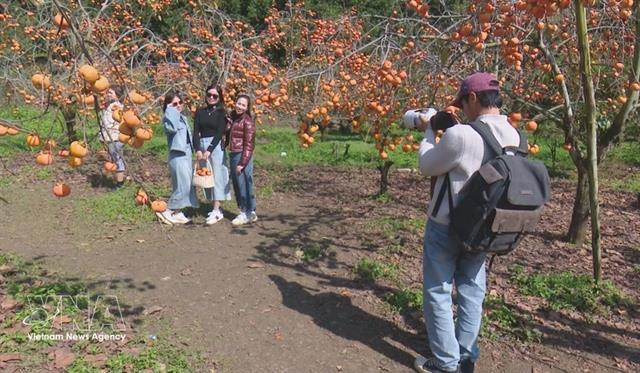
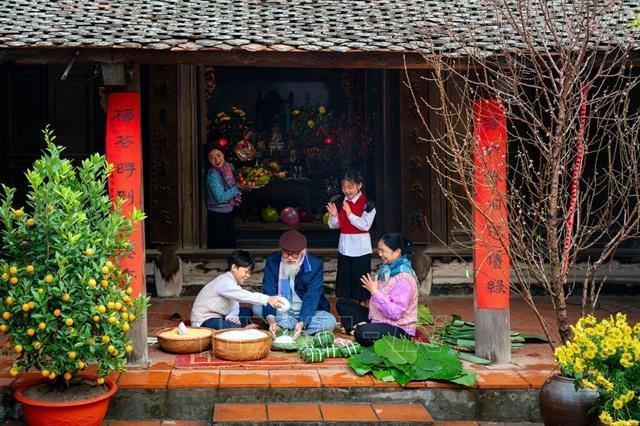
More households in Việt Nam are moving beyond the classic Tết formula of family gatherings, home-cooked feasts, and hosting visitors. Increasingly, they are choosing shared travel as a way to unwind, recharge, and deepen familial ties.
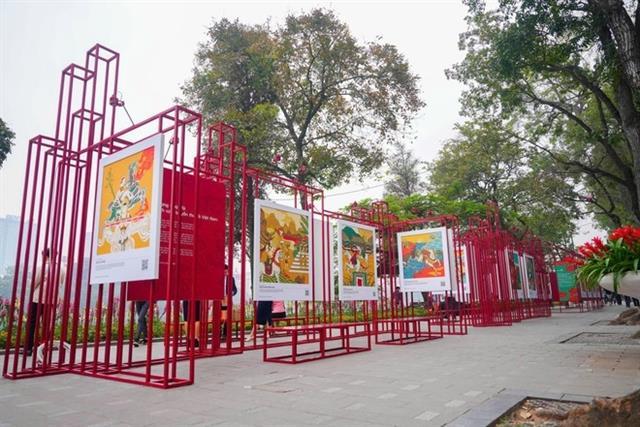
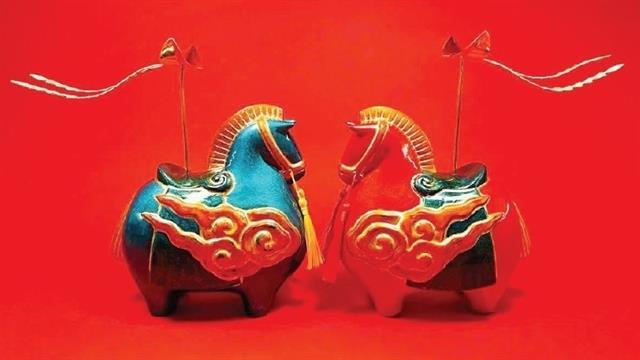
A series of exhibitions, diverse in materials and perspectives, not only celebrate the zodiac animal of the year but also invite visitors on a journey into the cultural, historical, and artistic depth associated with this familiar motif.
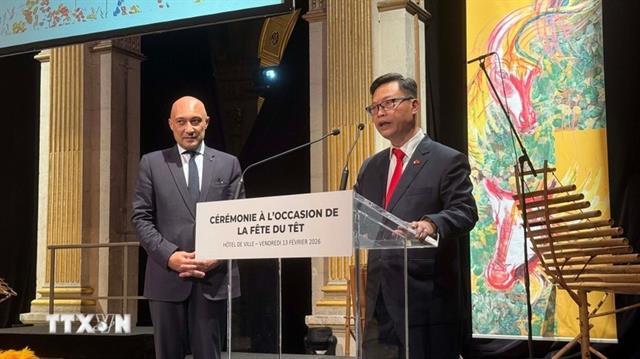
The celebration featured cultural performances and traditional Tết cuisine, leaving a warm impression of a united Vietnamese community and the growing Việt Nam–France friendship.
In the ever-evolving landscape of Vietnamese art, the "Ngua hoa mai" (Apricot blossom horse) project stands as a testament to how folk motifs can find new life.
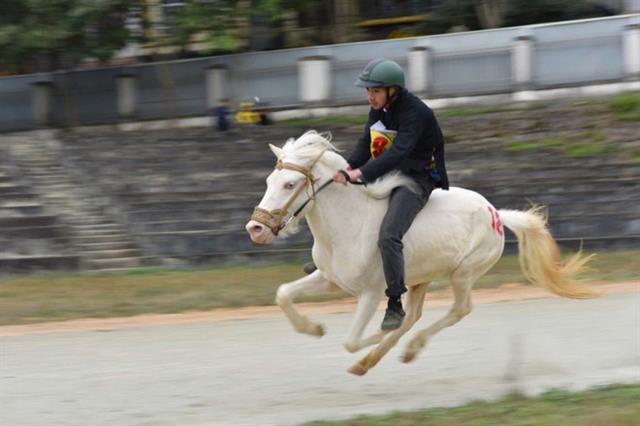
Horses have long been embedded in Vietnamese culture, carrying layered symbolism in language and belief while remaining part of daily life in many ethnic minority communities.
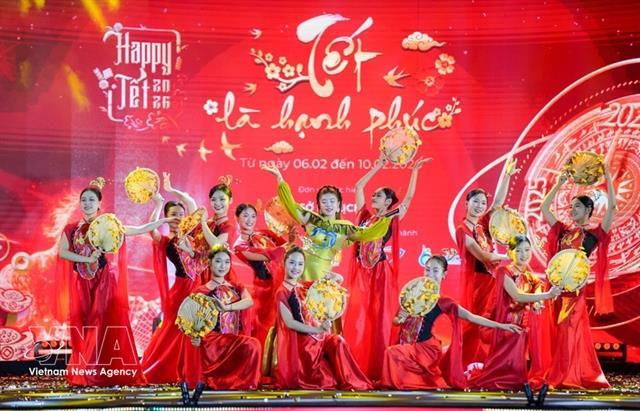
Images that reflect traditional cultural values of the Lunar New Year that make people happy would be honoured and receive awards of the Tết Hạnh Phúc (Happy Tết) photo and video contest 2026.
With millions on the move for the Lunar New Year, the aviation sector is scrambling to add flights and manage a familiar problem: packed planes one way, half-empty flights the other.
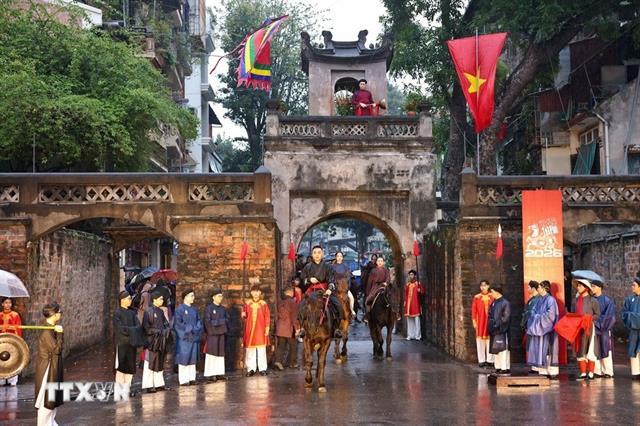
A Gate Opening Ceremony was red at one of Hà Nội''s most famous entrances, the Ô Quan Chưởng Gate, on February 8, marking the beginning of the spring season in the country.