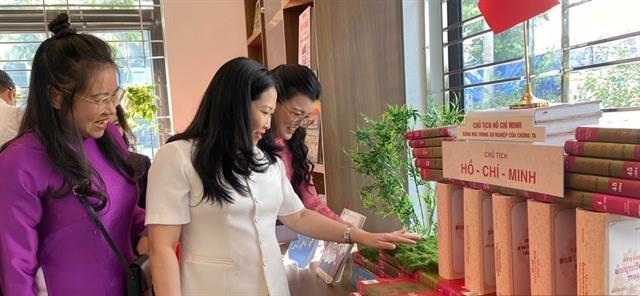
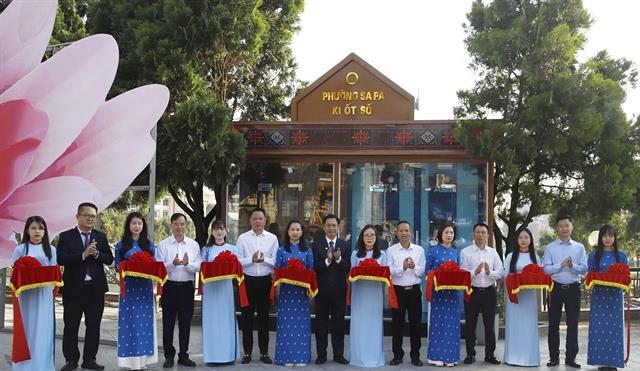
The space, launched on Monday to mark the 68th anniversary of Hồ Chí Minh’s visit to Lào Cai, combines traditional displays with QR codes, digital photo exhibitions, audiobooks and other multimedia content.
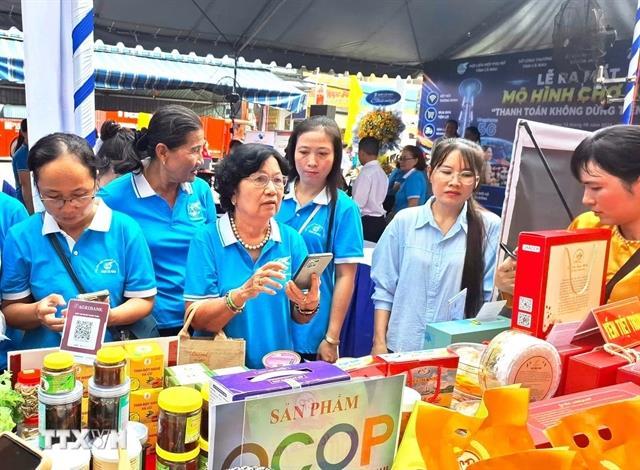
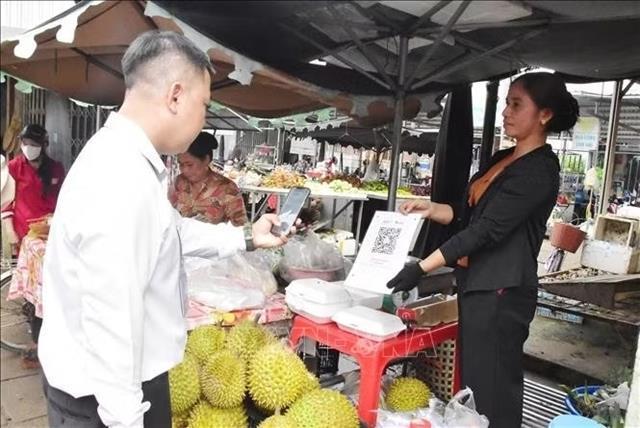
Hòa Bình Commune also plans to encourage traders to use digital platforms to promote and sell products, while paying greater attention to product traceability, food safety and environmental hygiene, with the aim of building “Green, Digital and Civilised Markets.”
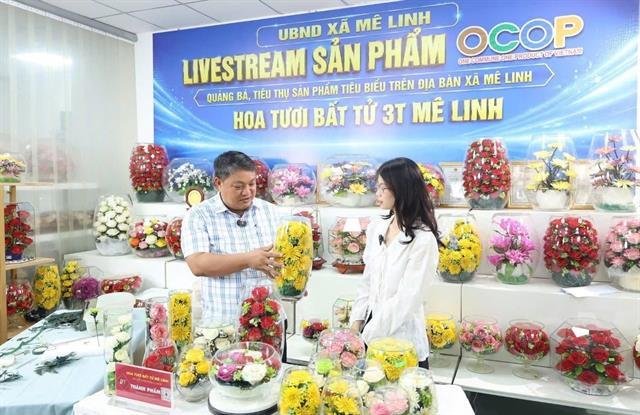
Digital transformation is gradually changing how residents in Mê Linh Commune, Hà Nội, promote and sell local products, giving traditional craft products new ways to reach consumers and helping local businesses expand their markets.
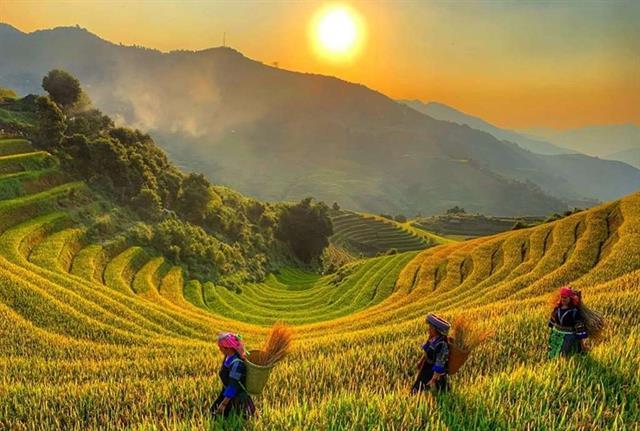
The province’s digital tourism drive goes beyond promotion on social media. Lào Cai is gradually building a smart tourism ecosystem to improve visitor experiences, support tourism businesses and help mountain communities overcome geographical barriers.
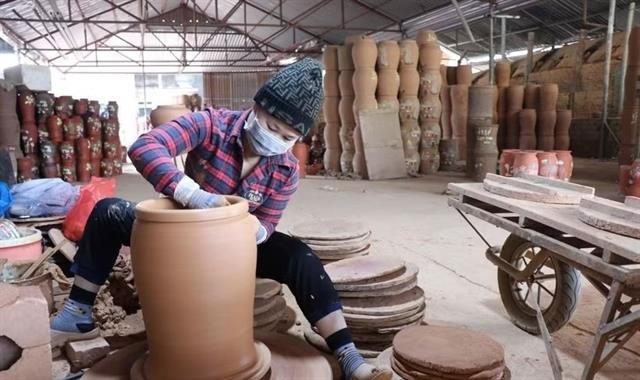
Instead of waiting for customers to visit Phù Lãng or relying mainly on traditional distribution channels, the cooperative now introduces its handmade pottery directly on social media platforms. Its TikTok livestreams attract thousands of viewers, with orders placed during the...
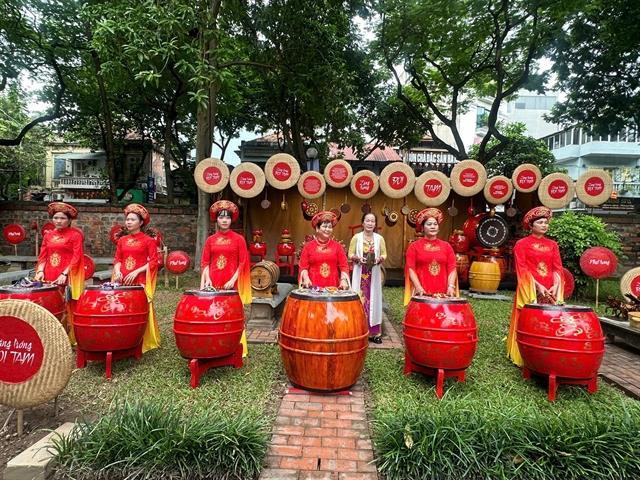
Drums may seem familiar to people but carry a world of stories about culture, history, arts and crafts that are told to audiences at the One Drum, A Single Drumbeat, A Thousand Years of Civilisation programme in Hà Nội.
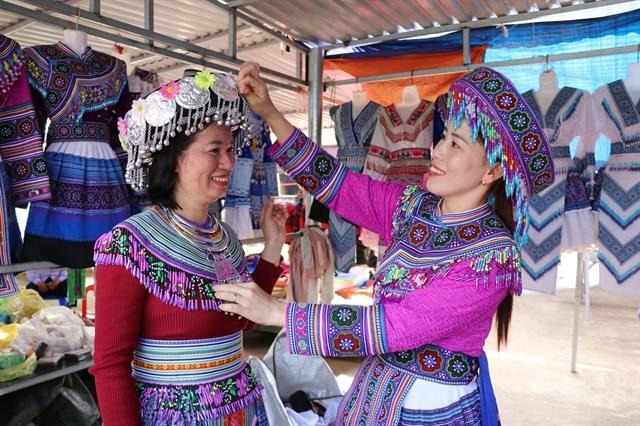
For the Mông people in Tà Đùng, Đắk R''măng is not merely a weekly rendezvous, but a space preserving memories of their northwestern hometowns and cultural identity in their new land.
The ''4.0 Market'' model, which promotes cashless payments, is being introduced at traditional markets, particularly in remote areas and communities with large Khmer populations.
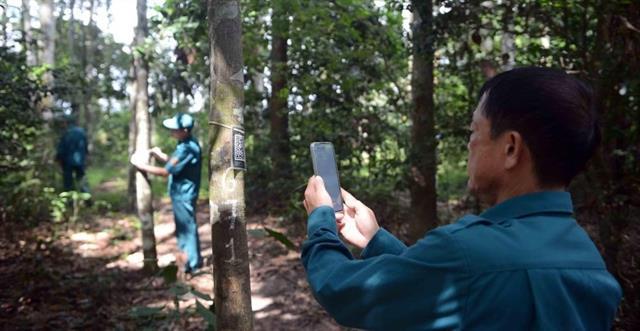
Digital technology is being used to improve the management and conservation of plant genetic resources at the HCM City Botanical Garden, where thousands of plants are being recorded and monitored as part of a growing “living collection” of Việt Nam’s...
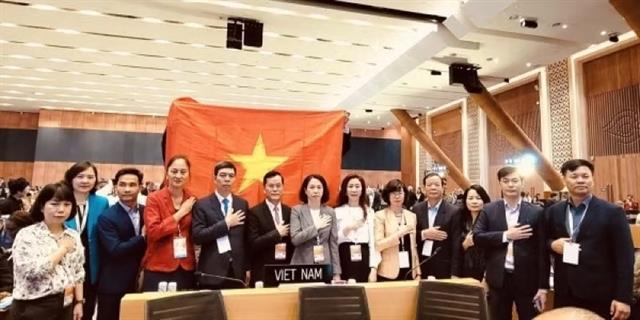
The event aims to provide an international scientific forum for further research, exchanges and discussions on authenticity in world heritage conservation, in close connection with the outstanding universal value, integrity and cultural values of heritage elements.
The Golden Disc Awards will be held at the at the Việt Nam Exposition Centre, which is the largest of its kind in Southeast Asia and among the largest in the world, according to event organisers HLL JoongAng.
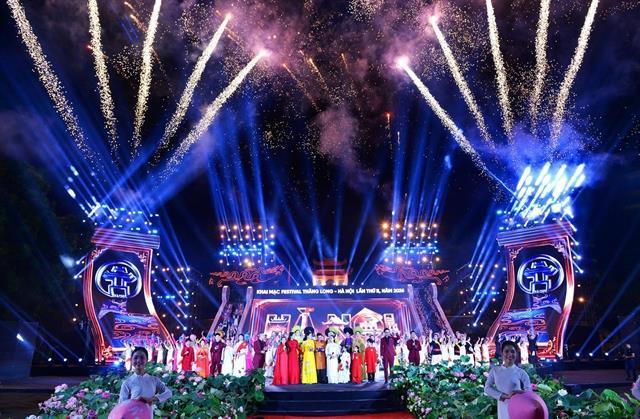
By combining heritage, art, creativity, and technology, the Thăng Long – Hà Nội Festival aims to bring traditional cultural values closer to the public, expand international exchange, and contribute to the development of Hà Nội''s cultural industries.