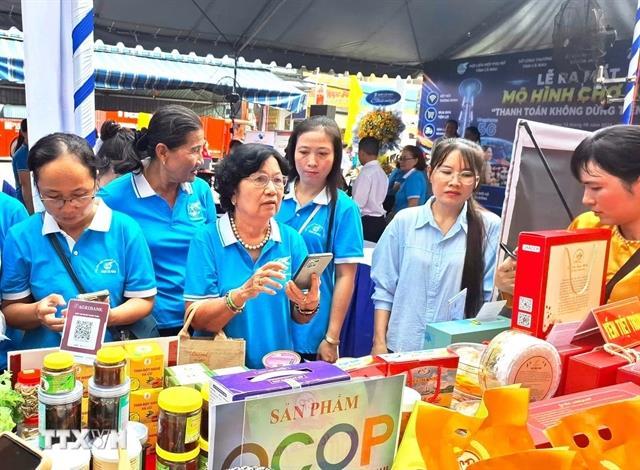
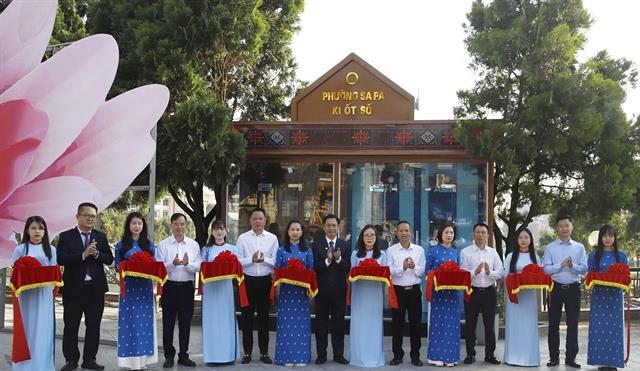
The space, launched on Monday to mark the 68th anniversary of Hồ Chí Minh’s visit to Lào Cai, combines traditional displays with QR codes, digital photo exhibitions, audiobooks and other multimedia content.
Hòa Bình Commune also plans to encourage traders to use digital platforms to promote and sell products, while paying greater attention to product traceability, food safety and environmental hygiene, with the aim of building “Green, Digital and Civilised Markets.”
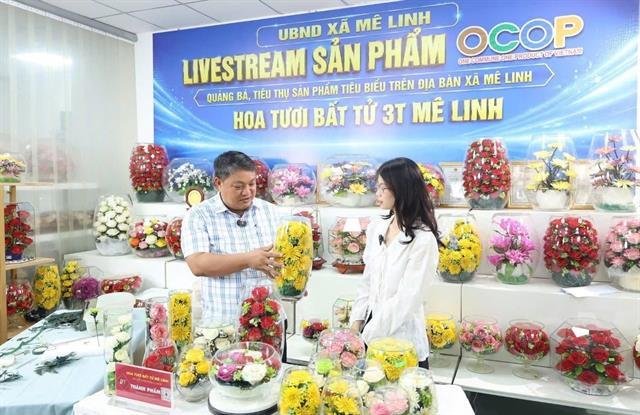
Digital transformation is gradually changing how residents in Mê Linh Commune, Hà Nội, promote and sell local products, giving traditional craft products new ways to reach consumers and helping local businesses expand their markets.
The province’s digital tourism drive goes beyond promotion on social media. Lào Cai is gradually building a smart tourism ecosystem to improve visitor experiences, support tourism businesses and help mountain communities overcome geographical barriers.
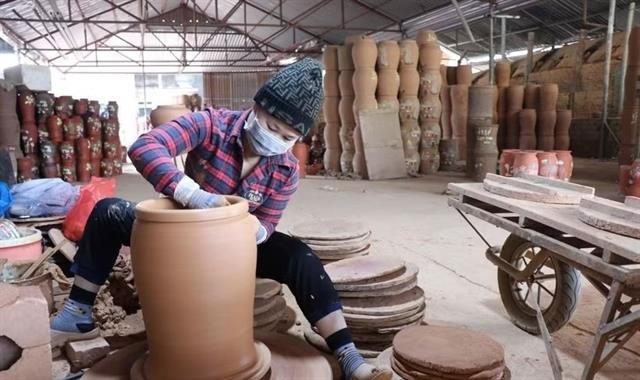
Instead of waiting for customers to visit Phù Lãng or relying mainly on traditional distribution channels, the cooperative now introduces its handmade pottery directly on social media platforms. Its TikTok livestreams attract thousands of viewers, with orders placed during the...
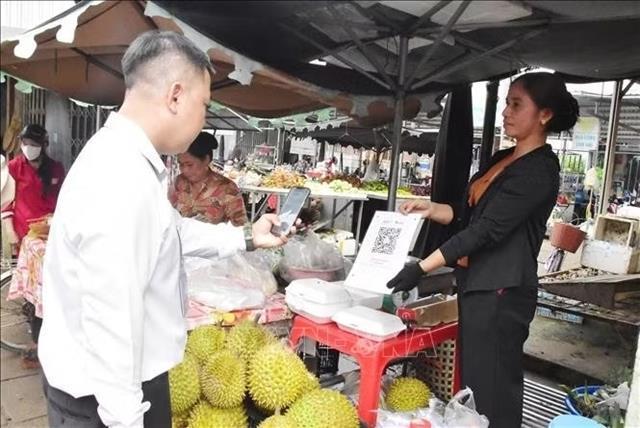
The ''4.0 Market'' model, which promotes cashless payments, is being introduced at traditional markets, particularly in remote areas and communities with large Khmer populations.
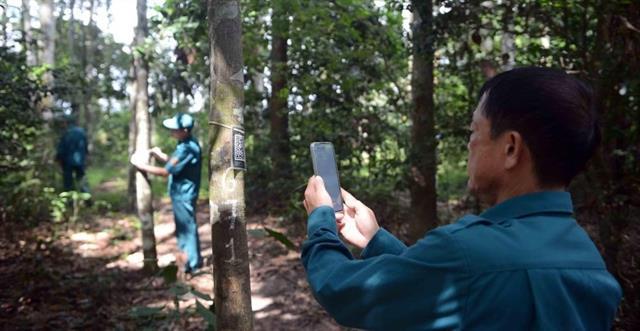
Digital technology is being used to improve the management and conservation of plant genetic resources at the HCM City Botanical Garden, where thousands of plants are being recorded and monitored as part of a growing “living collection” of Việt Nam’s...
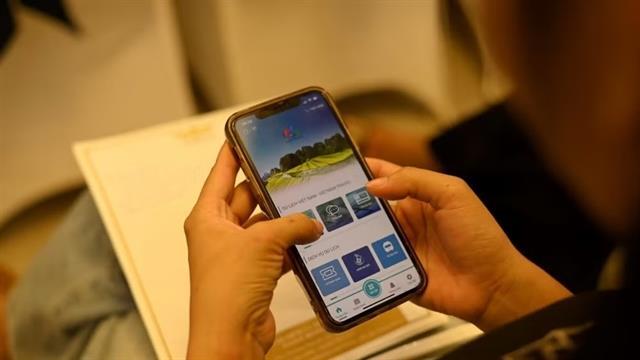
Digital technology is becoming more widely used in tourism services, from online booking and cashless payments to accommodation management and digital information at attractions.
Social media has become an important channel for promoting the village. Visitors often take photos among the colourful incense bundles and share them online.
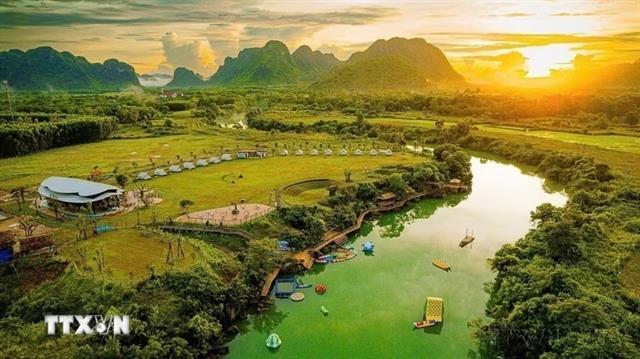
Science and technology are being applied to the management and conservation of Phong Nha-Kẻ Bàng National Park, with digital tools supporting forest protection, biodiversity monitoring, scientific research and tourism development.
For tourism businesses, data, artificial intelligence (AI), e-commerce and digital platforms are changing how services are managed, products are developed and customers are reached.
As the longan harvest gets underway, growers in Hưng Yên are looking beyond traditional markets, using e-commerce and livestream sales to bring the province’s signature fruit to consumers across Việt Nam.
The move is part of the implementation of Resolution No 57-NQ/TW of the Politburo on breakthroughs in science, technology, innovation and digital transformation.